The Phantom of the Opera

The Phantom of the Opera

Gaston Leroux

Fiction / Historical Fiction / Mystery

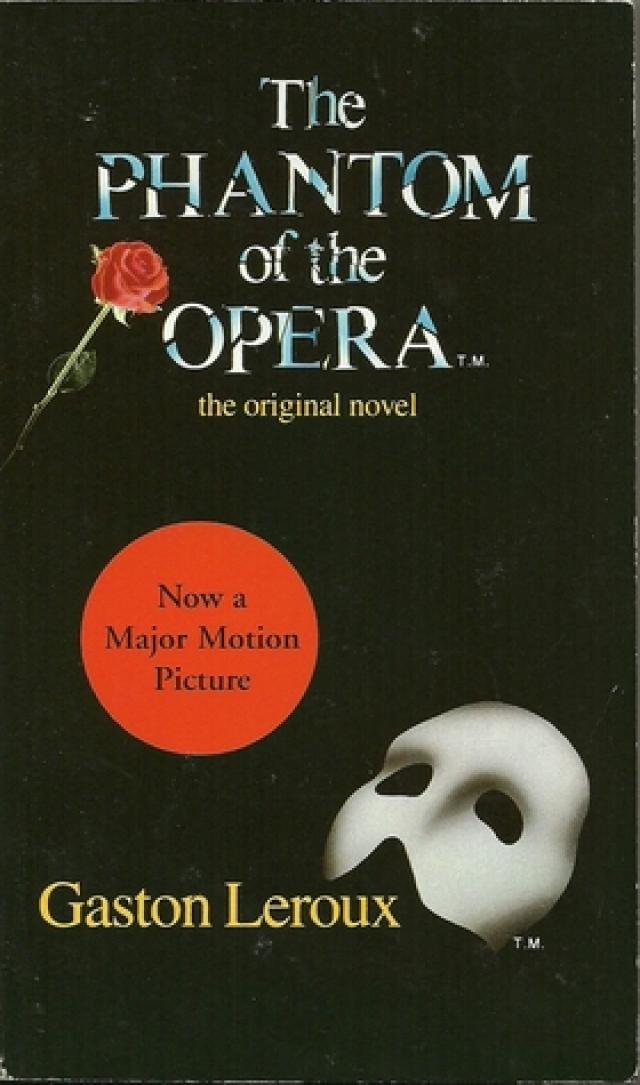
First published in French as a serial in 1909, The Phantom of the Opera is a riveting story that revolves around the young, Swedish Christine Daaé. Her father, a famous musician, dies, and she is raised in the Paris Opera House with his dying promise of a protective angel of music to guide her. After a time at the opera house, she begins hearing a voice, who eventually teaches her how to sing beautifully. All goes well until Christine's childhood friend Raoul comes to visit his parents, who are patrons of the opera, and he sees Christine when she begins successfully singing on the stage. The voice, who is the deformed, murderous 'ghost' of the opera house named Erik, however, grows violent in his terrible jealousy, until Christine suddenly disappears. The phantom is in love, but it can only spell disaster. Leroux's work, with characters ranging from the spoiled prima donna Carlotta to the mysterious Persian from Erik's past, has been immortalized by memorable adaptations. Despite this, it remains a remarkable piece of Gothic horror literature in and of itself, deeper and darker than any version that follows.
Read online
  • 5 700
In Letters of Fire

In Letters of Fire

Gaston Leroux

Fiction / Historical Fiction / Mystery

Gaston Leroux is France's most famous author of detective and mystery fiction. The author of The Phantom of the Opera penned a large amount of excellent short fiction, and 'In Letters of Fire' is one of his best-remembered tales. Many of the earliest ghost stories, particularly those dating back to the 1900s and before, are now extremely scarce and increasingly expensive. We are republishing these classic works in affordable, high quality, modern editions, using the original text and artwork.
Read online
  • 1 072
The Mystery of the Yellow Room

The Mystery of the Yellow Room

Gaston Leroux

Fiction / Historical Fiction / Mystery

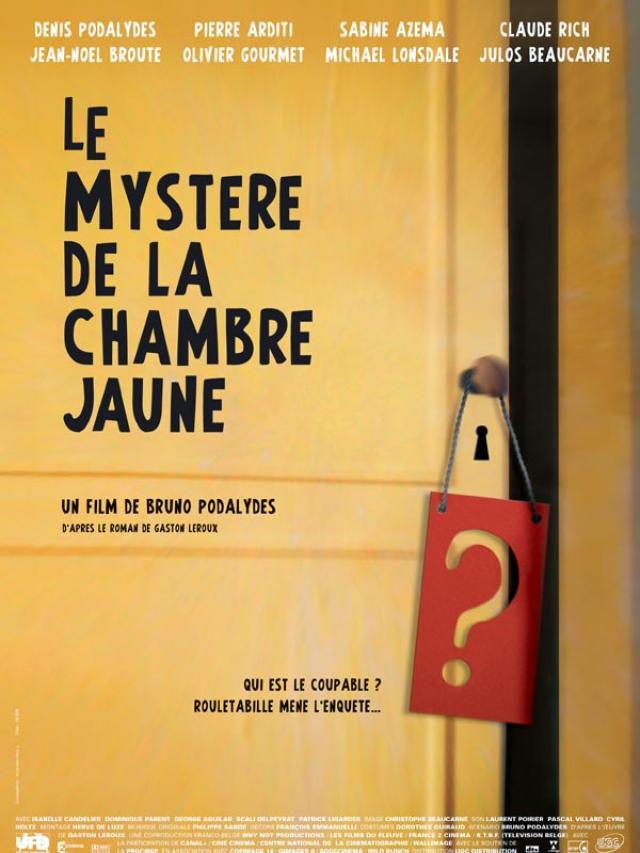
The young lady had just retired to her room when sounds of a struggle ensue, and cries of "Murder!" and revolver shots ring out. When her locked door is finally broken down by her father and a servant, they find the woman on the floor, badly hurt and bleeding. No one else is in the room. There is no other exit except through a barred window. How did the attacker escape? First published in 1907, this intriguing and baffling tale is a classic of early 20th-century detective fiction. At the heart of the novel is a perplexing mystery: How could a crime take place in a locked room which shows no sign of being entered? Nearly a century after its initial publication, Leroux's landmark tale of foul play, deception, and unbridled ambition remains a blueprint for the detective novel genre. Written by the immortal author of The Phantom of the Opera, this atmospheric thriller is still a favorite of whodunit fans everywhere. "The finest locked room tale ever written." — John Dickson Carr, author of The Hollow Man.
Read online
  • 904
The Secret of the Night

The Secret of the Night

Gaston Leroux

Fiction / Historical Fiction / Mystery

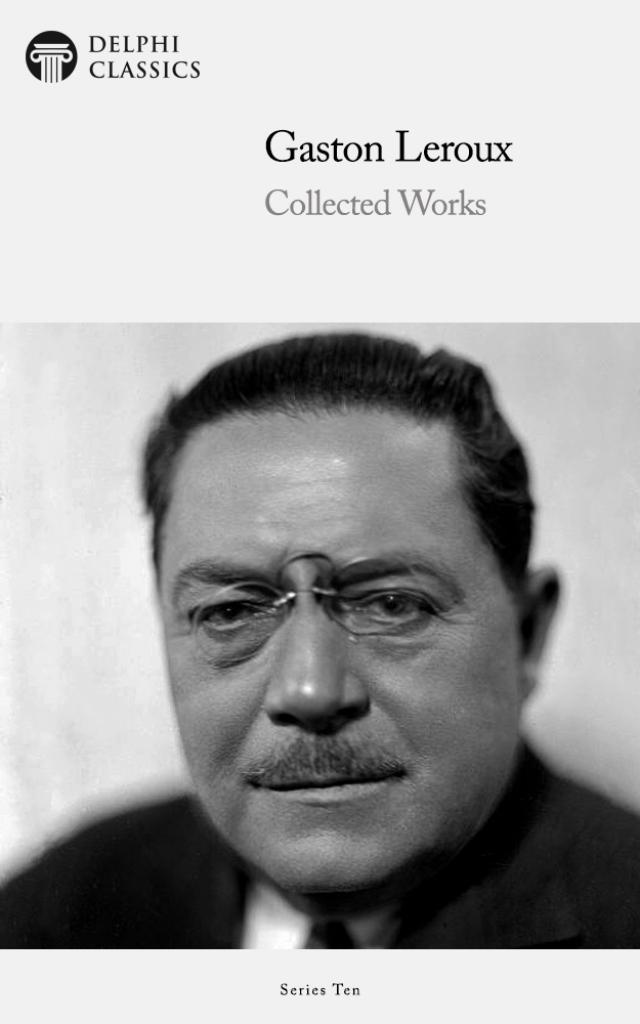
Gaston Louis Alfred Leroux (6 May 1868[1] – 15 April 1927) was a French journalist and author of detective fiction. In the English-speaking world, he is best known for writing the novel The Phantom of the Opera (Le Fantôme de l\'Opéra, 1910), which has been made into several film and stage productions of the same name, notably the 1925 film starring Lon Chaney, and Andrew Lloyd Webber\'s 1986 musical. His novel The Mystery of the Yellow Room is also one of the most famous locked-room mysteries ever.
Read online
  • 891
Cheri-Bibi: The Stage Play

Cheri-Bibi: The Stage Play

Gaston Leroux

Fiction / Historical Fiction / Mystery

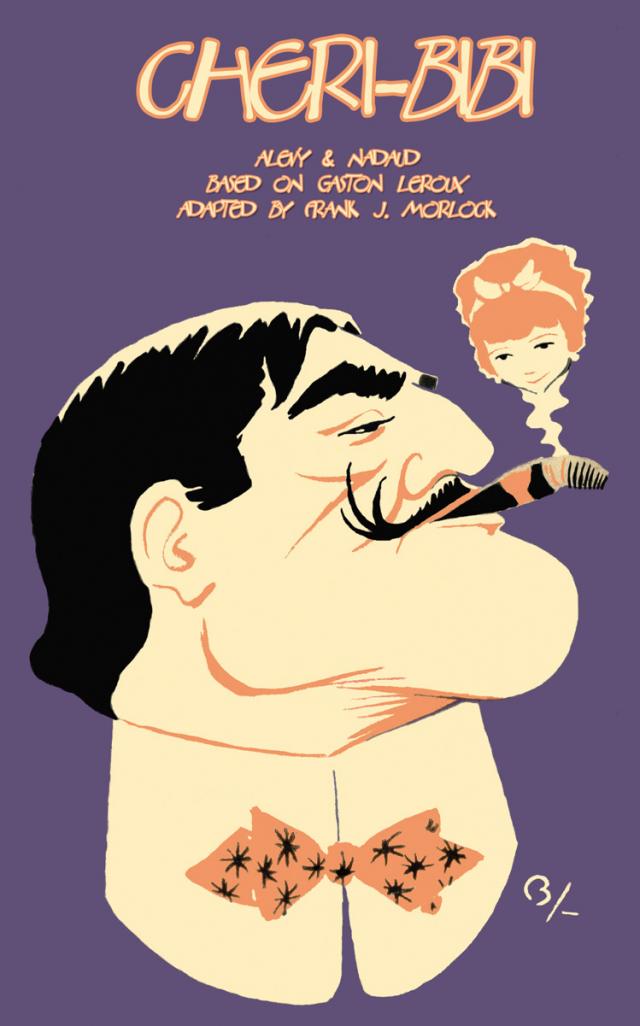
The hulkish Chéri-Bibi, framed for a murder which he did not commit, escapes from Devil's Island by having the dying Marquis du Touchais' face grafted upon his own by a mad surgeon. But fate will not easily relinquish its prey and Chéri-Bibi discovers that his newfound freedom and fortune have come at a terrible price... After The Phantom of the Opera and detective Joseph Rouletabille, Chéri-Bibi is the third legendary hero created by one of France's greatest popular novelist and feuilletoniste of La Belle Epoque, Gaston Leroux (1868-1927).
Read online
  • 687
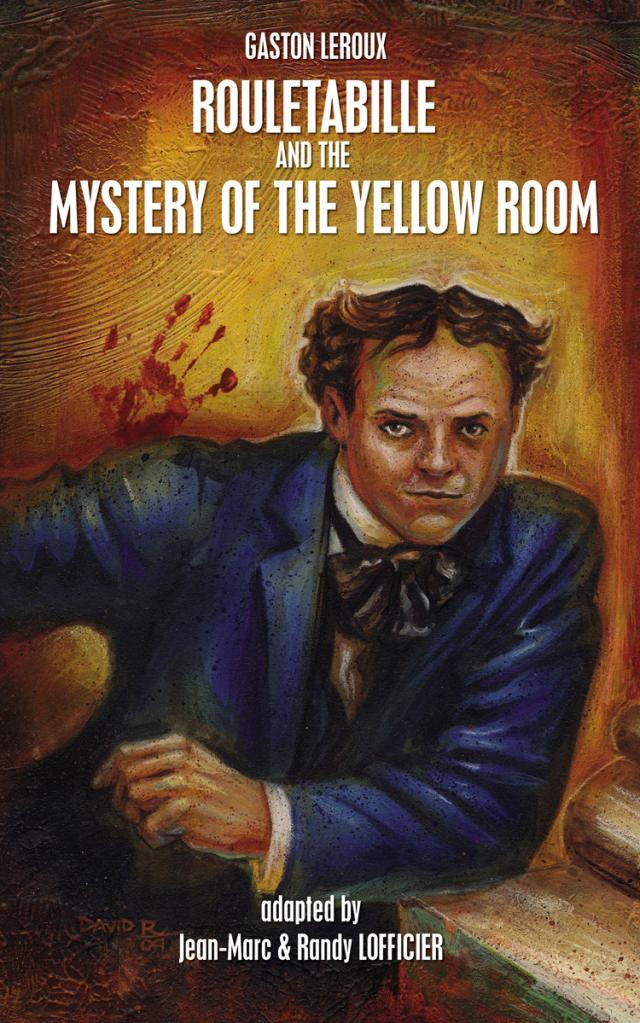
Rouletabille and the Mystery of the Yellow Room

Rouletabille and the Mystery of the Yellow Room

Gaston Leroux

Fiction / Historical Fiction / Mystery

The Mystery of the Yellow Room is presented here in a new, unabridged and uncut translation by JM & Randy Lofficier, with 30 pages of original material translated for the first time. It was written in 1907 by Gaston Leroux, the celebrated author of The Phantom of the Opera, and is one of the first and most dramatic locked room mysteries ever published. It is the first novel starring the young crime-solving journalist Rouletabille and concerns a complex and seemingly impossible crime in which the criminal seems to disappear from a hermetically sealed room. John Dickson Carr proclaimed The Mystery of the Yellow Room "the best detective tale ever written" and, in a 1981 poll of 17 famous mystery writers, it was voted as the third best locked room mystery of all time. This edition includes a foreword by Beauty and the Beast author Jean Cocteau, an afterword about Rouletabille and The Return of Ballmeyer, an additional story guest-starring Arsène Lupin.
Read online
  • 308
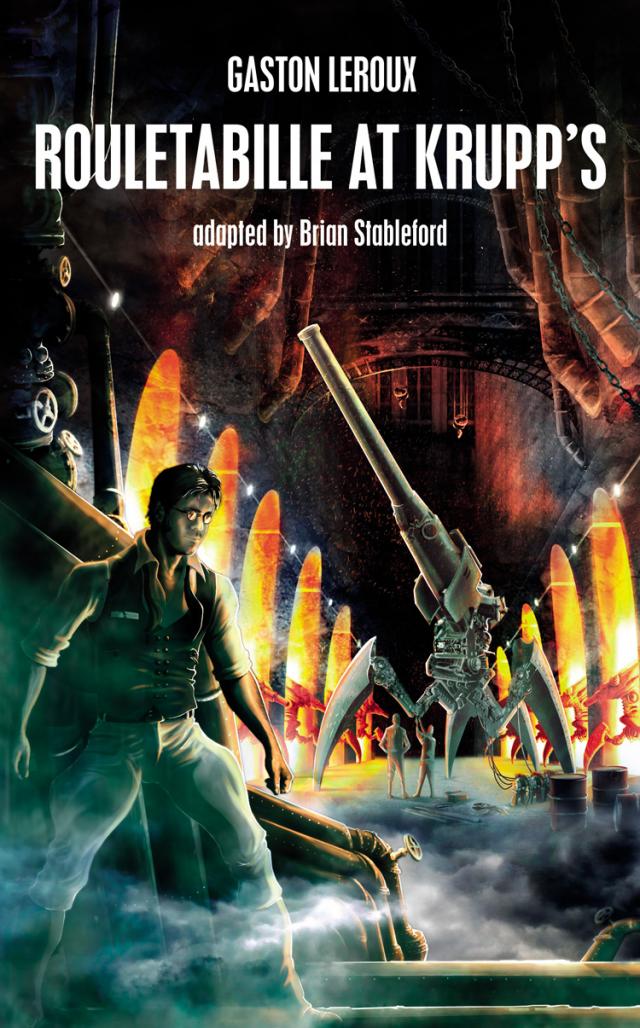
Rouletabille at Krupp's

Rouletabille at Krupp's

Gaston Leroux

Fiction / Historical Fiction / Mystery

In Rouletabille at Krupp's (1917), Gaston Leroux followed the template created by John Buchan in Greenmantle (1916), in which a heroic secret agent is conscripted to carry out an officially-sanctioned dangerous mission in enemy territory. Here, it's fearless investigative journalist Joseph Josephin, aka Rouletabille, who is sent into the heart of the Kaiser's armaments factories to destroy the gigantic German super-weapon Titania, capable of annihilating Paris itself in a single shot. The novel displays Leroux's fascination with, and talent for, the bizarre. As a reflection of the imaginative concerns of the French in 1917 and the revised policy of wartime propaganda that took full effect in that year, it has a stark specificity and punctiliousness that are unmatched.
Read online
  • 46
183