I Served the King of England

I Served the King of England

Bohumil Hrabal

Fiction

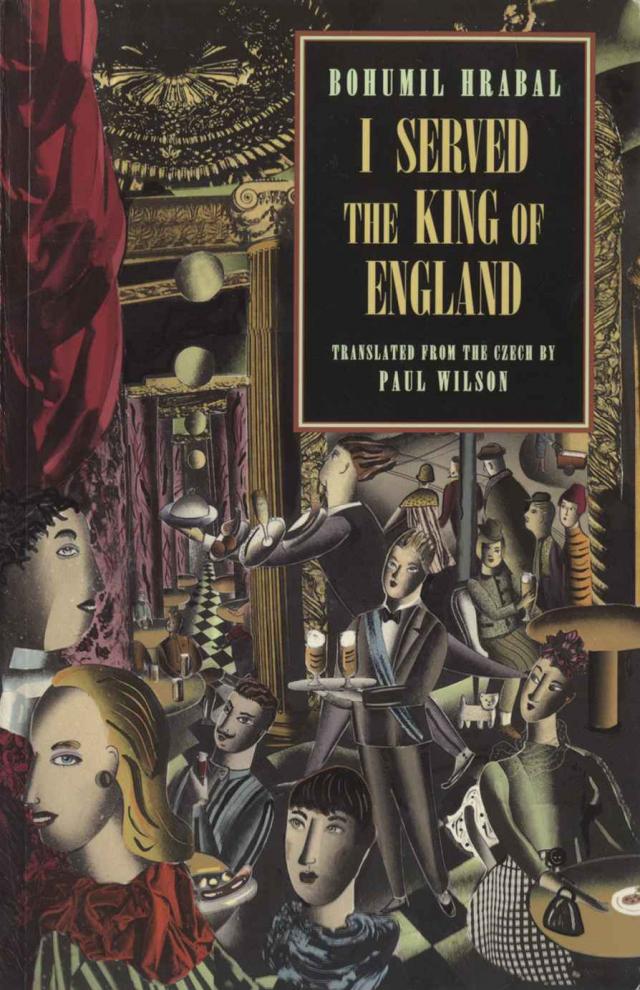
In a comic masterpiece following the misadventures of a simple but hugely ambitious waiter in pre-World War II Prague, who rises to wealth only to lose everything with the onset of Communism, Bohumil Hrabal takes us on a tremendously funny and satirical trip through 20th-century Czechoslovakia. First published in 1971 in a typewritten edition, then finally printed in book form in 1989, I Served the King of England is "an extraordinary and subtly tragicomic novel" (The New York Times), telling the tale of Ditie, a hugely ambitious but simple waiter in a deluxe Prague hotel in the years before World War II. Ditie is called upon to serve not the King of England, but Haile Selassie. It is one of the great moments in his life. Eventually, he falls in love with a Nazi woman athlete as the Germans are invading Czechoslovakia. After the war, through the sale of valuable stamps confiscated from the Jews, he reaches the heights of his ambition, building a hotel. He becomes a millionaire, but with the institution of communism, he loses everything and is sent to inspect mountain roads. Living in dreary circumstances, Ditie comes to terms with the inevitability of his death, and with his place in history.
Read online
  • 1 129
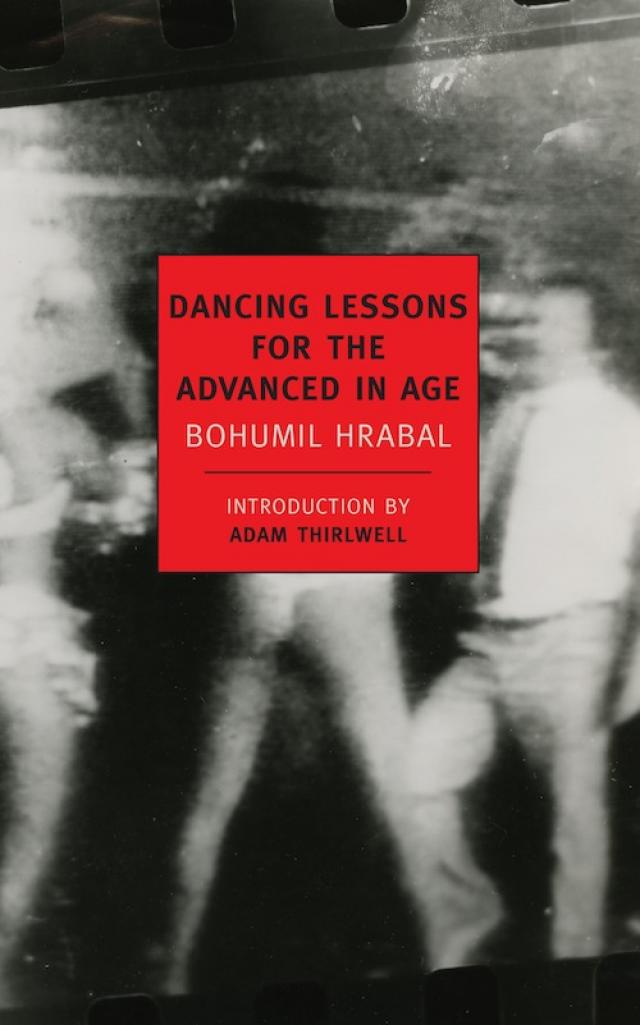
Dancing Lessons for the Advanced in Age

Dancing Lessons for the Advanced in Age

Bohumil Hrabal

Fiction

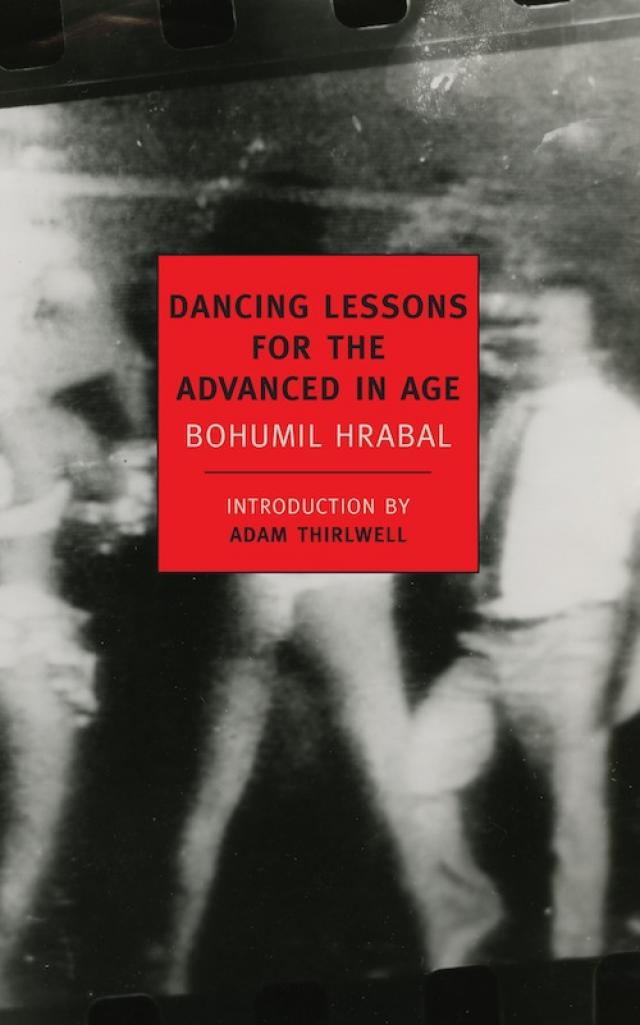
An old man, a shoemaker who once wore a pince-nez and carried a stick with a silver mounting because he wanted to look like a composer, tells the story of his life to six youn, beautiful women basking in the sun. One drunken thought triggers another. Amorous conquests alternate with sundry mishaps and in the exuberant telling acquire the same weight and substance as earth-shattering events. To say nothing of the historical perspective, which the self-styled "engineer of human feet" bends at random to suit his mood. Dancing Lessons for the Advanced in Age displays the inimitable Czech master at his playful best.
Read online
  • 1 075
The Little Town Where Time Stood Still

The Little Town Where Time Stood Still

Bohumil Hrabal

Fiction

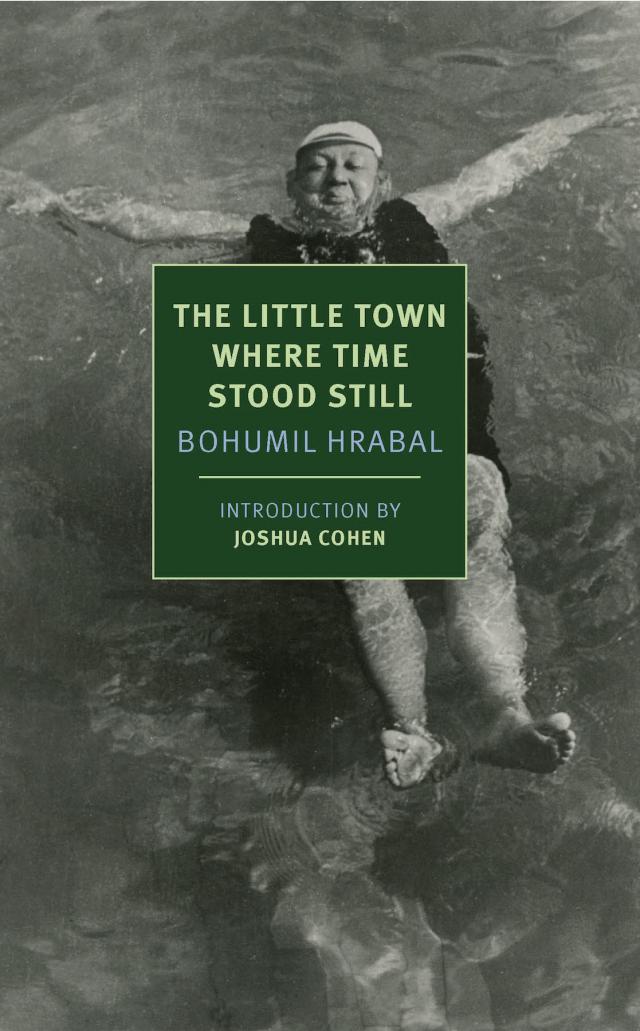
The Little Town Where Time Stood Still contains two linked narratives by the incomparable Bohumil Hrabal, whom Milan Kundera has described as “Czechoslovakia’s greatest writer.” “Cutting It Short” is set before World War II in a small country town, and it relates the scandalizing escapades of Maryška, the flamboyant wife of Francin, who manages the local brewery. Maryška drinks. She rides a bicycle, letting her long hair fly. She butchers pigs, frolics in blood, and leads on the local butcher. She’s a Madame Bovary without apologies driven to keep up with the new fast-paced mechanized modern world that is obliterating whatever sleepy pieties are left over from the defunct Austro-Hungarian Empire. “The Little Town Where Time Stood Still” is told by Maryška and Francin’s son and concerns the exploits of his Uncle Pepin, who holds his own against the occupying Nazis but succumbs to silence as the new post–World War II Communist order cements its colorless control over daily life. Together, Hrabal’s rousing and outrageous yarns stand as a hilarious and heartbreaking tribute to the always imperiled sweetness of lust, love, and life. 
Read online
  • 516
All My Cats

All My Cats

Bohumil Hrabal

Fiction

A literary master's story about the aggravations and great joys of cats, from "a most sophisticated novelist, with a gusting humor and a hushed tenderness of detail" (Julian Barnes)In the autumn of 1965, flush with the unexpected success of his first published books, the Czech author Bohumil Hrabal bought a cottage in Kersko, about an hour's drive east of Prague. From then until his death in 1997, he divided his time between Prague and Kersko, where he wrote and tended to a community of feral cats. Over the years, his relationship to cats grew deeper and more complex, becoming a measure of the pressures, both private and public, that impinged on his life as a writer.Despite the tender love he feels for the cats, especially his favorites who share his bed, there are moments of intense violence—as he controls the feline population explosion explosively.All My Cats, written in 1983 after a serious car accident, is best seen as a...
Read online
  • 446
Harlequin's Millions

Harlequin's Millions

Bohumil Hrabal

Fiction

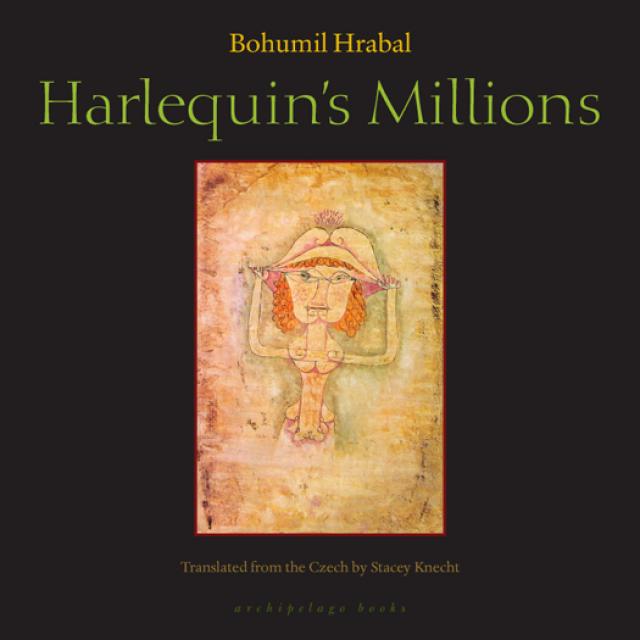
By the writer Milan Kundera called Czechoslovakia's greatest contemporary writer comes a novel (now in English for the first time) peopled with eccentric, unforgettable inhabitants of a home for the elderly who reminisce about their lives and their changing country. Written with a keen eye for the absurd and sprinkled with dialogue that captures the poignancy of the everyday, this novel allows us into the mind of an elderly woman coming to terms with the passing of time. Praise for Too Loud a Solitude: "Short, sharp and eccentric. Sophisticated, thought-provoking and pithy." --Spectator "Unmissable, combines extremes of comedy and seriousness, plus pathos, slapstick, sex and violence all stirred into one delicious brew." --The Guardian "In imaginative riches and sheer exhilaration it offers more than most books twice its size. At once tender and scatological, playful and sombre, moving and irresistibly funny." --The Independent on Sunday Praise for I Served the King of England: "A joyful, picaresque story, which begins with Baron Munchausen-like adventures and ends in tears and solitude." -- James Wood, The London Review of Books "A comic novel of great inventiveness ... charming, wise, and sad--and an unexpectedly good laugh." --The Philadelphia Inquirer "An extraordinary and subtly tragicomic novel." --The New York Times "Dancing Lessons unfurls as a single, sometimes maddening sentence. The gambit works. Something about that slab of wordage carries the eye forward, promising an intensity simply unattainable by your regularly punctuated novel." --Ed Park, The New York Times Book Review
Read online
  • 411
Dancing Lessons for the Advanced in Age

Dancing Lessons for the Advanced in Age

Bohumil Hrabal

Fiction

Rake, drunkard, aesthete, gossip, raconteur extraordinaire: the narrator of Bohumil Hrabal’s rambling, rambunctious masterpiece Dancing Lessons for the Advanced in Age is all these and more. Speaking to a group of sunbathing women who remind him of lovers past, this elderly roué tells the story of his life—or at least unburdens himself of a lifetime’s worth of stories. Thus we learn of amatory conquests (and humiliations), of scandals both private and public, of military adventures and domestic feuds, of what things were like “in the days of the monarchy” and how they’ve changed since. As the book tumbles restlessly forward, and the comic tone takes on darker shadings, we realize we are listening to a man talking as much out of desperation as from exuberance.Hrabal, one of the great Czech writers of the twentieth century, as well as an inveterate haunter of Prague’s pubs and football stadiums, developed a unique method which he termed “palavering,” whereby characters gab and soliloquize with abandon. Part drunken boast, part soul-rending confession, part metaphysical poem on the nature of love and time, this astonishing novel (which unfolds in a single monumental sentence) shows why he has earned the admiration of such writers as Milan Kundera, John Banville, and Louise Erdrich.From Publishers WeeklyThe unnamed narrator of this comic rant proclaims that any book worth its salt is "meant to make you jump out of bed in your underwear and run and beat the author's brains out." Czech novelist Hrabal (Closely Watched Trains) very nearly fills that peculiar bill in this humorous and breathless affair, which is told in one never-ending sentence?a technique that just may make readers pay him the ultimate compliment by looking around for handy blunt objects. The narrator, a scurrilous old man who claims to have been a shoemaker and a brewer, approaches six sunbathing women and embarks on a rambling monologue about his past loves, the past in general and his "magic hands for what we called contessa shoes." He enjoys telling scandalous tales about his betters, including the one about the old emperor looking up women's skirts. Hrabal, who has been cited as a major literary influence by Milan Kundera and Ivan Klima, among others, is generally considered the most revered living Czech author. It's easy to see why. As this novel (originally published in Czechoslovakia in 1964) plays around with Czech history, juxtaposing the public life of the country with the private life of the narrator, Hrabal displays abounding energy and a rambunctious wit. Copyright 1995 Reed Business Information, Inc. From BooklistHrabal, one of the foremost contemporary Czech writers, has devised a provocative little novel for special readers. In a breathless monologue--in fact, in one unbroken sentence--an old shoemaker spouts off to a captive audience of young women about his life and ideas. From political history ("his son, the crown prince, was forced to marry Princess Stephanie of Belgium, but he was wild for Vetsera's body, she had these gigantic breasts and eyes" ) to morality ("Christ wanted us to love our neighbors, he wanted discipline, not love on the sofa the way some mealy-brained idiots would have it" ), the old man perambulates over a wide range of territory, spreading recollections and opinions far and wide. For readers who appreciate language for its own sake, this short book is fertile ground; for those who need a firm plot as anchorage, they had best turn elsewhere. For active foreign-literature collections. Brad Hooper
Read online
  • 16
183